
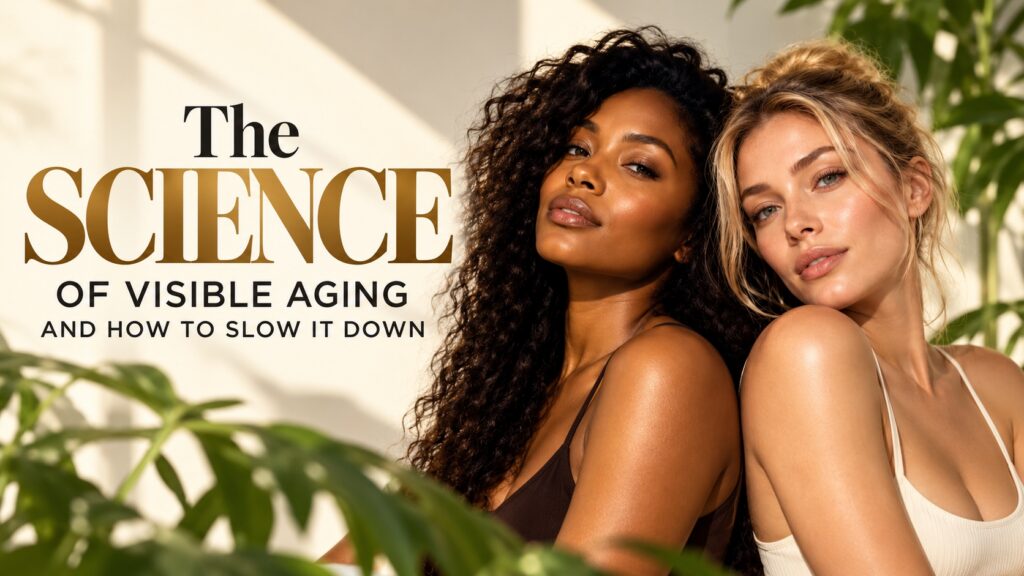
“Black Don’t Crack”: Why It’s Real—and How to Slow Skin Aging
Melanin helps explain why some skin shows wrinkles later. Here’s how sunscreen, retinol and a simple daily routine can slow visible aging across skin tones.
READ ARTICLE →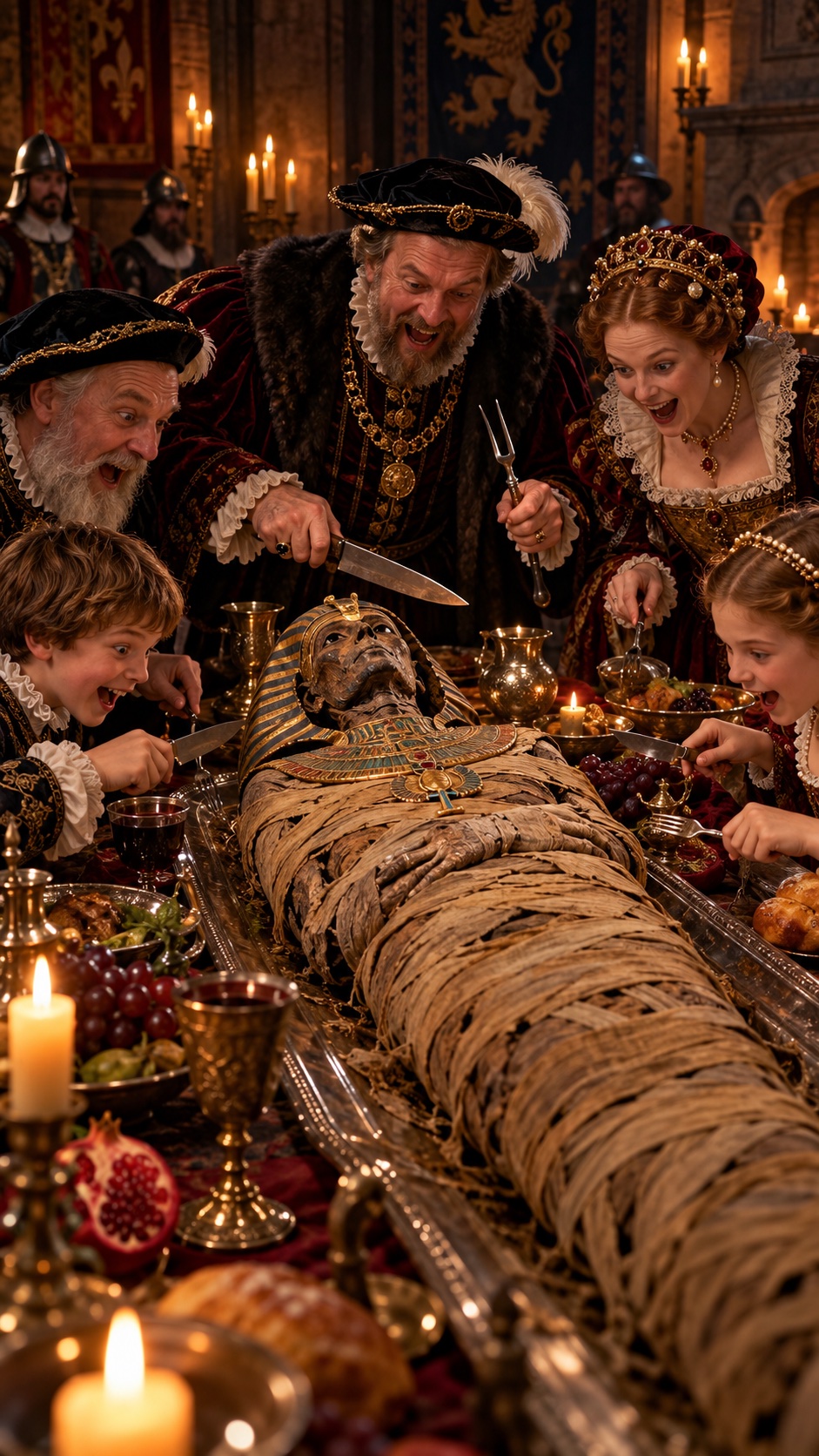
SCIENCE & HISTORY · FEATURED STORY
The strange history of mumia—and the centuries-long trade in human remains as medicine.
Melanin helps explain why some skin shows wrinkles later. Here’s how sunscreen, retinol and a simple daily routine can slow visible aging across skin tones.
READ ARTICLE →
The Pentagon wants Americans to watch a convicted mass murderer's execution live. But could broadcasting death to the public have consequences far beyond justice?
READ ARTICLE →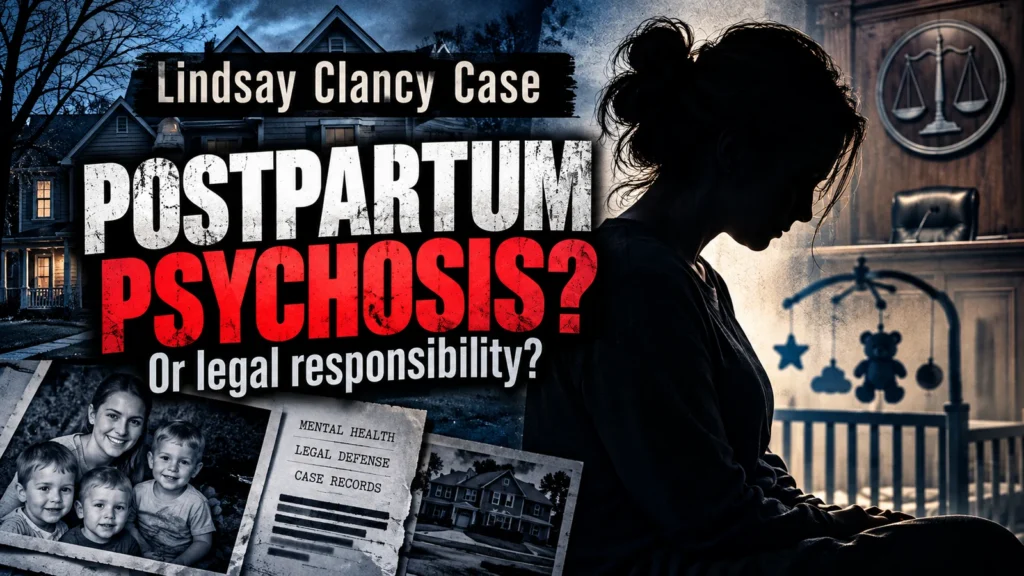
A September mistrial left criminal responsibility undecided. Understanding the case requires separating psychiatric evidence, the legal standard and speculation about the family.
READ ARTICLE →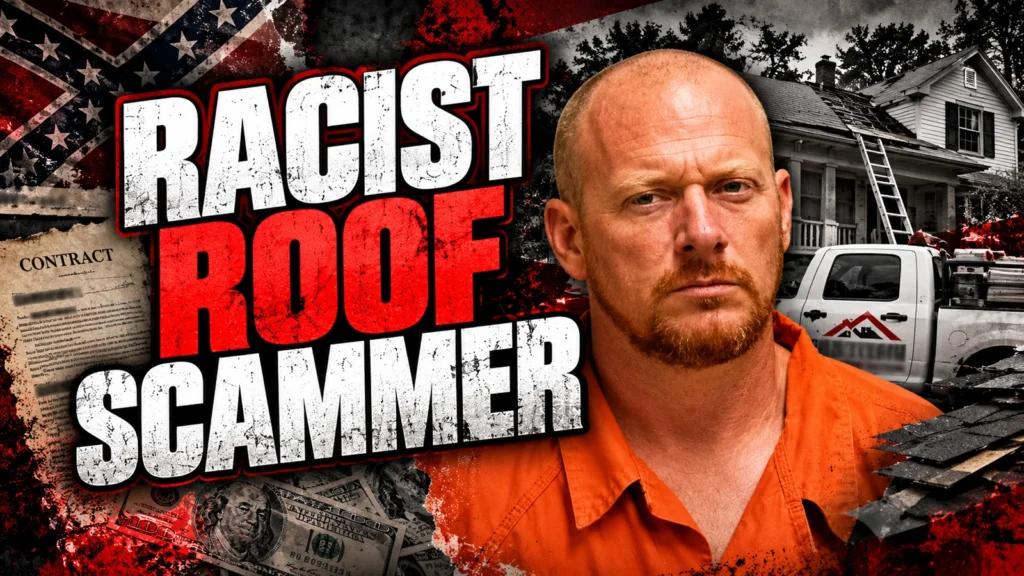
Police notices in Alabama, reporting from Florida and BBB alerts document allegations across several years. The available sources do not establish the final outcomes of the criminal cases.
READ ARTICLE →
Unusual hearing effects are documented. Patents and a famous television anecdote make much larger claims—and require different kinds of evidence.
READ ARTICLE →
A New York review documented hundreds of children in HIV research, failures in oversight and limits on access to medical records. Its findings support neither a blanket exoneration nor the most sweeping accusations.
READ ARTICLE →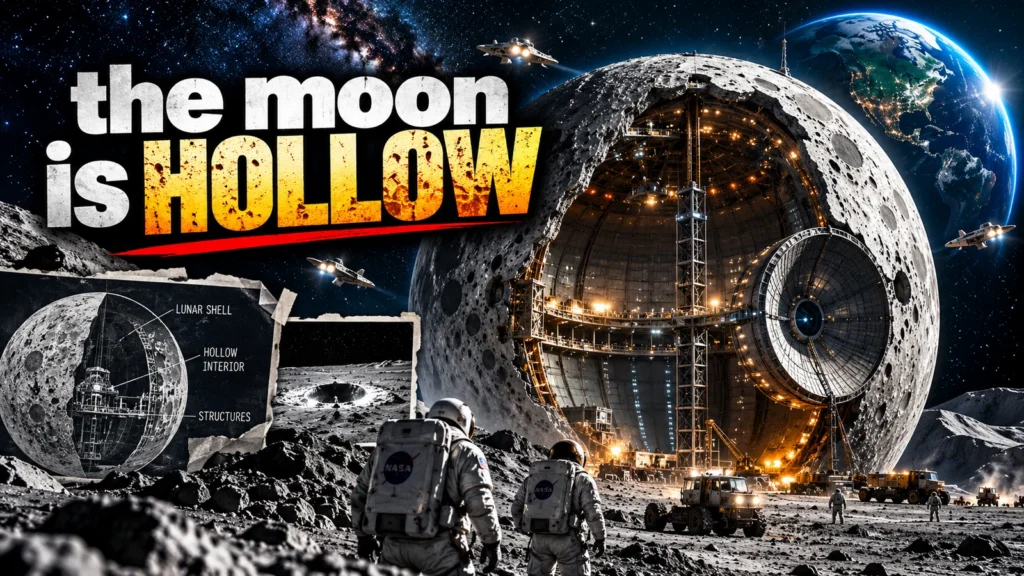
Apollo’s long seismic signals were real. Instrument behavior, fractured rock and decades of lunar research explain why the famous metaphor is not evidence of an empty Moon.
READ ARTICLE →
The chronology is clear; deliberate copying is not established. The enduring comparison raises a larger question about recognition and television history.
READ ARTICLE →WATCH & FOLLOW
Find WKE videos on TikTok and updates on Instagram.